
On the 24th, the Jeonbuk Research Institute (Director Choi Baek-ryul) proposed a tailored policy direction for activating the population of residents in Jeonbuk's population decline areas by reflecting the characteristics of the movement of resident populations in order to overcome the limitations of existing population policies centered on attracting permanent residents, through the release of Issue Briefing (Vol. 350).
The institute diagnosed that the population policy focusing on attracting resident registration population pursued for decades has deteriorated into a zero-sum game among local governments. Accordingly, they set expanding the 'resident population' who actually visit and stay in the region as a core goal and emphasized the need to pay attention to the 'resident population' where inflow expansion is possible through policy intervention.
According to the analysis of the 2025 resident population data in population decline areas released by the Ministry of Public Administration and Security, the average resident population in Jeonbuk's population decline areas (10 cities and counties) accounts for 80.6% of the resident population, and the 'resident population index' representing the number of resident populations per resident registration population is highest in Muju County (9.1), Imsil County (6.7), and Buan County (6.1), showing excellent competitiveness in attracting external visitors, while city areas such as Jeongeup (2.6) and Gimje (3.0) are relatively inadequate, showing significant differences between cities and counties.
The outflow-inflow index, which can identify the scale of inflow population compared to outflow population, was highest in Muju County, Buan County, Imsil County, Jinan County, and Gochang County, while areas below the Jeonbuk average included Jeongeup, Namwon, and Gimje, showing lower values.
Furthermore, the resident population in Jeonbuk mostly shows seasonal limitations, with the lowest numbers in February and concentrated during the autumn and peak tourist seasons. In particular, Imsil County (358%), Sunchang County (278%), and Muju County (276%) showed significant seasonal variations, with high dependency on specific periods, while Gimje (113%) showed a stable distribution throughout the year. It was emphasized that strategies are needed to disperse the resident population throughout the year through specialized off-peak festivals and creating year-round resident spaces in areas with severe seasonal biases.
The characteristics of inflow routes were classified into 'residential area-centered (Kimje City)' with an inflow proportion within Jeonbuk of 93.4%, 'province-dependent (Jeongeup City, Jinan County, Jangsu County, etc.)' with a 72% to 86% dependency on domestic visitors, and 'metropolitan inflow type (Namwon City, Muju County, Sunchang County, Gochang County)' with an external inflow proportion of 35% to 54%, proposing tailored strategies for each type.
For the metropolitan inflow type, it was suggested to induce repeat visits and long-term stays through the establishment of resident-type hub infrastructures and the development of linked tourism products, while for the province-dependent and residential area-centered types, it was emphasized to strengthen connections with major cities in the Jeonju area and nearby hub cities and focus on creating demand for visits from non-provincial resident populations.
Finally, the Jeonbuk Research Institute suggested that in order to increase the effectiveness of resident population policies, it is necessary to establish a monitoring system for resident population big data at the eup/myeon/dong level, explore joint response projects between cities and counties, and establish a policy system based on empirical data, including the introduction of a resident population registration system.
전북연구원, 인구감소지역 맞춤형 생활인구 활성화 정책 방향 제안
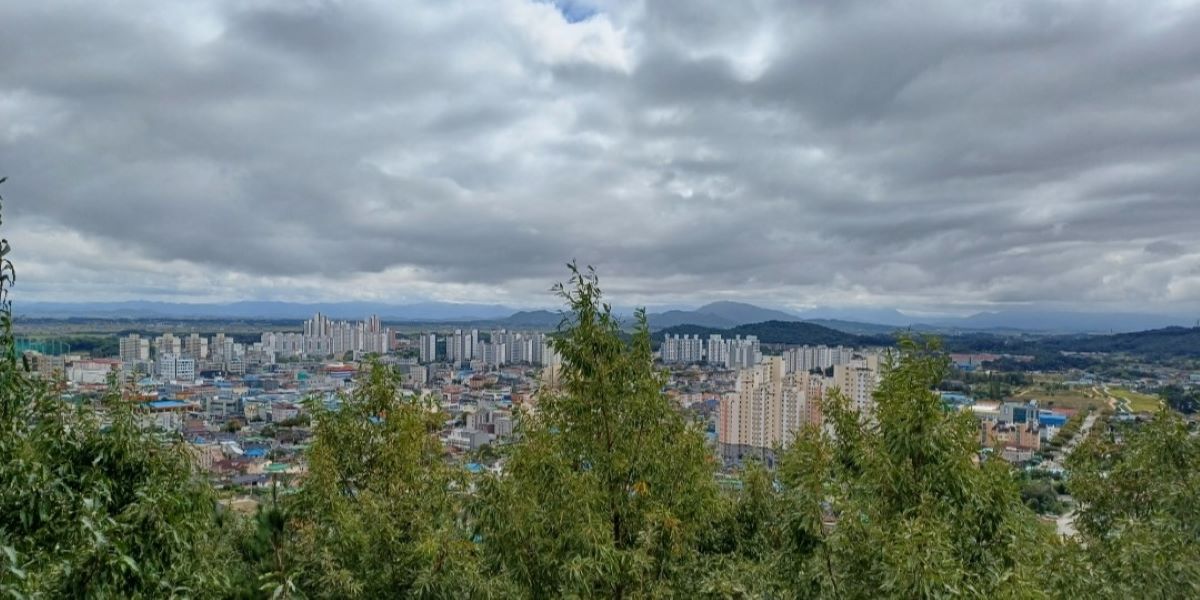
<부안읍 전경>
전북연구원(원장 최백렬)은 24일 발표한 이슈브리핑(Vol.350)을 통해 기존 정주인구 유치 중심의 인구 정책 한계를 극복하기 위해 전북 인구감소지역의 체류인구 이동 특성을 반영한 맞춤형 생활인구 활성화 정책 방향을 제안했다.
연구원은 지난 수십 년간 추진해 온 주민등록인구 유치 정책이 지자체 간의 소모적인 제로섬 게임으로 전락했다고 진단했다. 이에 따라 지역을 실제로 방문하고 머무는 ´생활인구´ 확대를 핵심 목표로 설정하고, 특히 정책적 개입을 통해 유입 확대가 가능한 ´체류인구´에 주목해야 한다고 강조했다.
행정안전부가 발표한 2025년 인구감소지역 생활인구 자료 분석 결과, 전북 인구감소지역(10개 시・군)의 평균 체류인구는 생활인구의 80.6%이며, 주민등록인구 1명당 체류인구 수를 나타내는 ´체류인구지수´는 무주군(9.1), 임실군(6.7), 부안군(6.1) 순으로 높게 나타나 외부 방문객 유입 경쟁력이 우수한 반면, 정읍시(2.6), 김제시(3.0) 등 시 지역은 상대적으로 미흡해 시・군 간 큰 편차를 보였다.
유출인구 대비 유입인구 규모를 파악할 수 있는 유출입지수는 무주군, 부안군, 임실군, 진안군, 고창군 순으로 높게 나타났으며, 전북 평균 이하 지역은 정읍시, 남원시, 김제시 등은 전북 평균 이하로 낮게 나타났다.
또한, 전북의 체류인구는 대부분 2월에 가장 적고 가을철 및 관광 성수기에 집중되는 계절성 한계를 나타냈다. 특히 임실군(358%), 순창군(278%), 무주군(276%) 등은 계절적 편차가 매우 커 특정 시기 의존도가 높은 반면, 김제시(113%)는 연중 안정적인 분포를 보였다.
계절 편중이 심한 지역은 비수기 특화 축제와 사계절 체류공간 조성을 통해 체류인구를 연중 분산시키는 전략이 필요하다고 밝혔다.
유입 경로별 특성은 전북 내 유입 비중이 93.4%에 달하는 ´생활권 중심형(김제시)´, 도내 방문객 의존도가 72%~86%인 ´도내 의존형(정읍시, 진안군, 장수군 등)´, 전북 외 유입 비중이 35%~54%인 ´광역 유입형(남원시, 무주군, 순창군, 고창군)´으로 구분하고, 유형별 맞춤형 전략을 제안했다.
광역유입형은 체류형 거점 인프라 구축, 연계형 관광상품 개발 등으로 재방문과 장기체류를 유도하고, 도내 의존형 및 생활권 중심형은 전주권 및 인근 거점 도시와의 연계를 강화하고, 도외 체류인구 방문 수요 창출에 주력할 것을 강조했다.
마지막으로 전북연구원은 생활인구 정책의 실효성을 높이기 위해 읍·면·동 단위 체류인구 빅데이터 모니터링 체계 구축, 시・군 간 공동 대응사업 발굴, 생활인구 등록제 도입 기반 마련 등 실증데이터 기반 정책체계 구축이 필요하다고 제언했다.