
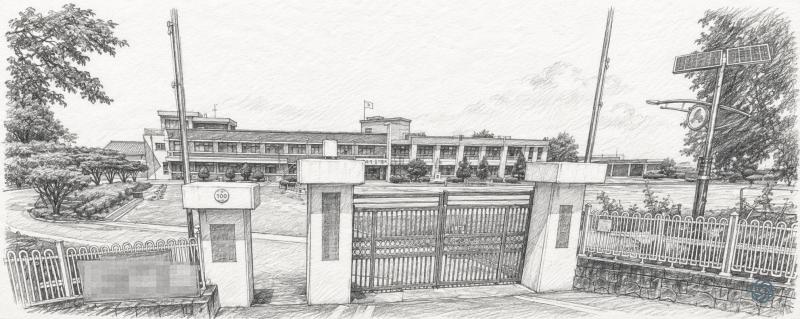
The principal and vice principal of Misanchu Elementary School in Jeonju filed lawsuits against two parents, each seeking 30 million won in damages, but the court did not accept their claims.
On the 25th, the Jeonju District Court rejected the claims of the principal and vice principal in the lawsuits for damages against two parents and ordered the plaintiffs to bear the litigation costs. From the parents' perspective, what stands out in this ruling is that simply having conflicts with the school or raising multiple issues does not immediately classify them as 'malicious complainants' or illegal actors.
The court's demand was not for a blanket assessment of 'malicious complaints.' It required the parents to specify when, to whom, what actions they took, why those actions were illegal, and how those actions caused harm to the principal or vice principal.
Previously, in June last year, the Jeonju Office of Education's Regional Education Rights Protection Committee determined that the two parents' visits to the school, demands for changing homeroom teachers, refusal of children to attend classes, unauthorized leaving, and repeated complaints constituted infringements on educational activities. Based on this decision, the principal and vice principal each demanded 31 million won in compensation, claiming that the parents obstructed school operations, made repeated complaints, and filed 112 reports and SNS posts that infringed on their honor and dignity.
However, the civil court did not automatically link the Regional Education Rights Protection Committee's decision to liability for damages. It believed that it needed to re-examine whether the parents' individual actions were actually illegal acts against the principal and vice principal.
Demands for changing homeroom teachers are a form of parental issue-raising
The court ruled that demanding the replacement or exclusion of a child's homeroom teacher does not immediately make the action illegal. From the parents' perspective, informing the school about difficulties their child is facing in school life or during classes and demanding measures, including changing the homeroom teacher, could be an expression of intent to resolve issues.
Of course, if the method of demand is violent or involves persistent obstruction of duties, it could pose a separate problem. However, it is essential to distinguish between the fact that they simply 'demanded a change' and whether the action was illegal. This was an important aspect of the ruling.
The principal and vice principal argued that the parents pressured the school by visiting and demanding a change of homeroom teacher, stating that if their demands were not met, they would not allow their children to participate in classes.
However, the court determined that it was not adequately specified when, how, under what circumstances, to whom such demands were made, why those demands constituted illegal acts against the principal or vice principal, and what mental harm the two individuals suffered as a result.
The court viewed that listening to parental complaints, verifying the facts, and explaining the school's position during the complaint process are within the usual scope of duties for the principal and vice principal. Therefore, it was difficult to evaluate these actions as illegal acts against the principal and vice principal solely based on some disagreement or tension during the complaint process. From the parents' perspective, the fact that there was a clash of opinions with the school does not immediately become evidence of 'malicious complaints.'
112 Reports are not illegal acts just because they were reported
A particularly noteworthy aspect of this ruling was the judgment on repeated complaints and 112 reports. The court stated that simply because parents repeatedly filed complaints against the school or made 112 reports, it could not conclusively deem those actions illegal. This is an important principle from the parents' perspective. If parents believe their child has experienced unfair treatment at school or if they believe there are safety issues, it is a possible response for parents to raise issues with the school and, if deemed necessary, report to law enforcement agencies.
Of course, if someone knowingly reports false information or repeatedly reports to harass the other party, legal liability may arise. However, those making such claims need to specify when the report was made, the content of the report, why it lacked a basis or was illegal, as well as who was affected and how, according to the court's judgment. Merely citing the frequency of reports as 'report abuse' or 'malicious complaints' is not permissible. This aspect can also be interpreted as protecting the rights of parents to raise issues and report them.
SNS Posts should be judged based on specific content
The same standard was applied to claims of defamation through SNS posts. While the principal and vice principal argued that the parents spread false information and defamed them through SNS, the court found that the specific content of the posts, when and what content was posted, and which expressions specifically damaged the honor of the principal and vice principal were not sufficiently identified. Moreover, a considerable portion of the submitted relevant materials pertained to the homeroom teacher rather than the principal or vice principal. Merely disclosing events that occurred at the school does not automatically constitute defamation. The actual content of the posts, their veracity, expression methods, and targets need to be assessed individually.
More important than over 500 pages of evidence is specific facts
One of the most striking aspects of this case was the volume of evidence. The principal submitted 528 pages of evidence, and the vice principal submitted 527 pages to the court. However, despite the court twice requesting the plaintiffs to specify the claims in detail and provide specific evidence, it was determined that the evidence was not sufficiently specific in identifying which evidence supported which illegal acts and damages.
The court stated that it was not permissible to analyze hundreds of pages of submitted evidence to create a favorable factual basis and claims for the plaintiffs. From the parents' perspective, this is a crucial point. Just because a school or educational institution has a lot of evidence does not automatically make the parents' actions 'malicious complaints' or illegal acts. Ultimately, legal responsibility should be based on what was done, why the actions were illegal, and what harm they caused, rather than the quantity of evidence.
Educational Rights Protection Committee's decision does not automatically mean civil illegal acts
In this case, the Regional Education Rights Protection Committee had already deemed some actions of the two parents as infringements on educational activities. However, the court believed that merely having this decision did not automatically mean that civil illegal acts against the principal and vice principal were recognized. This holds significant procedural importance from the parents' perspective. The committee's decision and civil liability for damages have different purposes and legal requirements. Just because an educational activity infringement decision was made does not mean that all actions of those parents are confirmed as illegal, and each action and harm must be re-evaluated through separate legal procedures.
This ruling demonstrates that parents should not be conclusively judged as civil wrongdoers based solely on administrative or educational judgments. However, it does not imply that all parental complaints are justified. Of course, this ruling should not be interpreted as all actions of parents being justified. The court also clearly stated that parental complaints should fall within a considerable range socially accepted.
When considering the purpose, circumstances, frequency, and methods of complaints, as well as their impact on school operations, if they go beyond the scope of legitimate rights exercise and make normal school operations difficult, illegality may be recognized. Moreover, the court emphasized that not all actions of parents that can be grasped through submitted evidence can be hastily deemed illegal. Therefore, this ruling is not about stating that 'parents can do anything they want.'
Rather, to distinguish between legitimate parental complaints and illegitimate ones, it is necessary to confirm individual actions specifically, rather than making vague assessments. This approach prevents even legitimate parental complaints from being stigmatized as 'malicious complaints' and ensures that concrete facts are used to hold individuals accountable for actions that actually interfere with school operations and educational activities.
Be cautious with the label of 'malicious complaints'
In this case, although the central figure in the actual dispute was the homeroom teacher, the individuals who sought damages were the principal and vice principal. The court ruled that unless the parents could clearly specify which actions were illegal acts against the principal and vice principal and how those actions caused mental suffering to the two individuals, damages could not be acknowledged. The most significant message from the parents' perspective can be found in this ruling.
It is essential to be cautious about labeling all conflicts between schools and parents as 'malicious complaints' just because parents have repeatedly raised issues. Raising issues related to a child's education and safety is a crucial right for parents. Judging whether the exercise of this right has crossed a line should not be based solely on impressions like 'raised their voice,' 'visited multiple times,' or 'reported.'
Conversely, parents should ensure that their issue-raising purposes and methods do not go beyond legitimate boundaries to harass the other party or disrupt normal school operations. Ultimately, this ruling indicates that rather than absolutizing the rights of school authorities or parents, boundaries should be set based on specific facts.
It is more about setting boundaries based on specific actions rather than interpreting all complaints within the framework of 'malicious complaints' after labeling them. Each complaint needs to be examined to understand why it was raised, how it was raised, who was affected, and what harm was caused. This approach prevents even legitimate parental complaints from being stigmatized as 'malicious complaints' and ensures that concrete facts are used to hold individuals accountable for actions that actually interfere with school operations and educational activities.
On the other hand, the school's request for an injunction prohibiting the two parents from entering the school was partially cited in this case. However, the court concluded that the injunction decision alone did not prove the illegal acts in this damages case. Since the injunction is a temporary judgment based on the demonstration of the applicant's rights and the necessity of protection, it does not definitively establish civil liability. The case is currently under appeal at the Jeonju District Court of the Gwangju High Court.
학부모의 문제제기, ‘악성민원’ 낙인만으로 불법행위가 되는 것은 아니다. 교장·교감 학부모 상대 민사소송 모두 패소
법원 “민원 반복만으로 위법 단정 못해…누가·언제·어떻게 피해 줬는지 특정해야”
"악성민원 낙인, 구체적 사실로 판단해야"
전주 미산초등학교 교장과 교감이 학부모 2명을 상대로 각각 3천만원 상당의 손해배상을 청구했지만 법원이 모두 받아들이지 않았다.
전주지방법원은 지난 25일 미산초 교장과 교감이 학부모 2명을 상대로 제기한 손해배상 소송에서 각각 원고의 청구를 기각하고 소송비용도 원고가 부담하도록 했다. 학부모 입장에서 이번 판결에서 주목할 부분은 학교와 갈등을 빚거나 여러 차례 문제를 제기했다는 사실만으로 곧바로 '악성민원인'이나 불법행위자로 규정될 수 없다는 점이다.
법원이 요구한 것은 '악성민원'이라는 포괄적인 평가가 아니었다. 학부모가 언제, 누구에게, 어떤 행동을 했고 그 행동이 왜 위법하며, 그로 인해 교장이나 교감 개인에게 어떤 손해가 발생했는지를 구체적으로 밝혀야 한다는 것이었다.
앞서 전주교육지원청 지역교권보호위원회는 지난해 6월 두 학부모의 학교 방문과 담임교사 교체 요구, 자녀의 수업 거부 및 무단 귀가 종용, 반복적인 민원 등을 교육활동 침해행위로 판단해 각각 심리치료 15회 조치를 결정했다. 교장과 교감은 이 같은 결정을 근거로 학부모들이 학교 업무를 방해하고 반복적인 민원과 112 신고, SNS 게시물 등으로 자신들의 명예와 인격권을 침해했다며 각각 3천만100원의 위자료를 청구했다.
그러나 민사법원은 지역교권보호위원회의 판단을 그대로 손해배상 책임으로 연결하지 않았다. 학부모의 개별 행동이 실제로 교장과 교감에 대한 불법행위였는지 다시 따져야 한다고 본 것이다.
담임교사 교체 요구도 학부모 문제제기의 한 방식
법원은 학부모가 자녀의 담임교사 교체나 배제를 요구했다는 사실만으로 그 행위가 곧바로 위법해지는 것은 아니라고 판단했다.
학부모 입장에서 자녀가 학교생활이나 수업 과정에서 어려움을 호소할 경우 학교에 상황을 알리고 담임교사 교체를 포함한 조치를 요구하는 것은 문제 해결을 위한 의사표현일 수 있다.
물론 요구 방법이 폭력적이거나 지속적인 업무방해에 이를 경우에는 별개의 문제가 될 수 있다. 그러나 단순히 '교체를 요구했다'는 사실과 위법한 행위는 구별돼야 한다는 것이 이번 판단의 중요한 부분이다.
교장과 교감 측은 학부모들이 학교를 찾아와 담임교사 교체를 요구하고, 요구가 받아들여지지 않으면 자녀를 수업에 참여시키지 않겠다는 취지로 학교를 압박했다고 주장했다.
하지만 법원은 언제, 어떻게, 어떤 경위로, 누구에게 그런 요구를 했는지, 그 요구가 왜 교장이나 교감에 대한 불법행위가 되는지, 그리고 그 결과 두 사람이 어떤 정신적 손해를 입었는지가 충분히 특정되지 않았다고 판단했다.
학부모의 요구가 학교 입장에서 불편하거나 받아들이기 어려웠다는 사실과, 민사상 손해배상을 해야 할 정도의 불법행위라는 것은 동일하지 않다는 의미로 읽힌다.
학교 방문과 면담 요구도 그 자체로 위법하지 않아
학교 방문과 면담 요구에 대한 판단도 학부모 입장에서 의미가 있다. 법원은 자녀가 해당 학교에 재학 중인 학부모가 사전예약 없이 학교를 방문했다거나 교사와 면담을 요청했다는 사정만으로 그 행위를 위법하다고 볼 수 없다고 판단했다.
학교가 안전과 교육활동 보호를 위해 출입절차를 마련할 필요는 있다. 그러나 절차를 제대로 지키지 않았다는 사실만으로 곧바로 학부모의 방문 전체를 민사상 불법행위라고 평가할 수는 없다는 것이다. 특히 2025년 3월 4일 학부모들이 학교에서 아동학대 신고 사실을 언급한 행동에 대해서도 법원은 신고 대상이 교장이나 교감이 아니라 담임교사였다는 점을 지적했다.
법원은 교장과 교감이 학교 운영 과정에서 학부모 민원을 듣고 사실관계를 확인하고 학교 입장을 설명하는 것은 통상적인 직무범위에 포함된다고 봤다.
따라서 민원 과정에서 일정한 이견이나 긴장이 있었거나 다소 과도한 표현이 있었다는 사정만으로 이를 곧바로 교장·교감 개인에 대한 불법행위로 평가하기는 어렵다고 판단했다. 학부모 입장에서 보면 학교와 의견이 충돌했다는 사실 자체가 '악성민원'의 증거가 될 수 없다는 의미이기도 하다.
112 신고도 '신고했다'는 이유만으로 불법행위가 되지 않아
이번 판결에서 특히 주목되는 부분은 반복적인 민원과 112 신고에 대한 판단이다. 법원은 학부모가 학교를 상대로 반복적으로 민원을 제기하거나 112 신고를 했다는 사실만으로 그 행위 자체가 위법하다고 단정할 수 없다고 밝혔다. 이는 학부모 입장에서 중요한 원칙이다. 자녀가 학교에서 부당한 일을 당했다고 판단하거나 안전에 문제가 있다고 생각한다면 학부모가 학교에 문제를 제기하고, 필요하다고 판단할 경우 수사기관에 신고하는 것은 가능한 대응 방식이다.
물론 허위사실을 알고도 신고하거나 상대방을 괴롭히기 위한 목적으로 신고를 반복한다면 법적 책임이 발생할 수 있다. 하지만 이를 주장하는 쪽에서는 어떤 신고가 언제 이뤄졌고, 그 신고 내용이 무엇이며, 왜 근거가 없거나 위법한지를 구체적으로 밝혀야 한다는 것이 법원의 판단이다. 단순히 신고 횟수가 많다는 이유만으로 '신고 남용'이나 '악성민원'이라고 규정할 수 없다는 점에서 학부모의 문제제기권과 신고권을 보호하는 의미도 읽을 수 있다.
SNS 게시물도 구체적인 내용으로 판단해야
SNS 명예훼손 주장 역시 같은 기준이 적용됐다. 교장과 교감 측은 학부모들이 SNS 등을 통해 허위사실을 유포하고 명예를 훼손했다고 주장했지만, 법원은 언제 어떤 내용의 글이나 영상이 게시됐고, 그 가운데 어떤 표현이 교장이나 교감의 명예를 훼손했는지 구체적으로 특정되지 않았다고 판단했다. 더구나 제출된 관련 자료 가운데 상당수는 교장·교감이 아니라 담임교사에 관한 내용이었다. 학부모가 학교에서 발생한 일을 외부에 알렸다는 사실만으로 이를 모두 명예훼손이라고 볼 수는 없다. 실제 게시물의 내용과 사실 여부, 표현 방법, 대상 등을 개별적으로 판단해야 한다는 점이 이번 판결에서도 확인된 셈이다.
500쪽 넘는 자료보다 중요한 것은 구체적인 사실
이번 사건에서 가장 눈에 띄는 대목 가운데 하나는 증거의 분량이다. 교장 측은 528쪽, 교감 측은 527쪽에 달하는 자료를 법원에 제출했다. 그러나 법원은 두 차례에 걸쳐 원고 측에 청구원인을 구체적으로 밝히고 관련 증거를 명시하도록 요구했음에도 어떤 증거가 어떤 불법행위와 손해를 입증하는 것인지 충분히 특정되지 않았다고 판단했다.
법원은 제출된 수백 쪽의 자료를 대신 분석해 원고에게 유리한 사실관계와 청구원인을 만들어 주는 것은 허용되지 않는다고 밝혔다. 학부모 입장에서 보면 중요한 지점이다. 학교나 교육기관이 많은 자료를 확보하고 있다고 해서 그 자체로 학부모의 행동이 '악성민원'이나 불법행위가 되는 것은 아니다. 결국 법적 책임은 자료의 양이 아니라 구체적으로 무엇을 했고, 그 행위가 왜 위법하며, 어떤 피해를 발생시켰는가를 기준으로 판단해야 한다는 것이다.
조치결정 근거자료의 출처도 문제로 지적돼
법원은 한 걸음 더 나아가 지역교권보호위원회 조치결정의 근거자료 자체에도 의문을 제기했다. 교장·교감 측이 제출한 조치결정서에는 학부모들의 3~4월 행위 내용을 정리한 '별지'가 첨부돼 있었는데, 법원은 이 별지가 위원회가 독자적으로 조사해 작성한 문서가 아니라 원고 측, 즉 신고를 한 학교 측이 작성해 위원회에 제출한 것으로 보인다고 밝혔다.
문제는 위원회가 이 별지를 어떤 근거로 검증하고 받아들여 조치결정을 내렸는지에 대해 아무런 주장이나 입증이 없었다는 점이다. 법원은 원고 측이 별지 내용만으로 학부모의 학교 무단출입과 업무방해를 주장했을 뿐, 정작 그 별지가 어떻게 작성됐고 위원회가 어떤 심사를 거쳐 이를 사실로 확정했는지는 밝히지 못했다고 지적했다.
이는 교권보호위원회의 조치결정 과정에서 신고인 측이 제출한 자료가 별다른 검증 없이 그대로 결정 이유에 반영될 수 있다는 절차적 우려를 보여주는 대목이기도 하다. 다만 법원이 이 별지의 내용을 허위로 판단한 것은 아니다. 법원이 지적한 것은 자료의 출처와 그에 대한 위원회의 검증 절차가 이 소송에서 확인되지 않았다는 점이며, 이는 사실관계의 진위 여부와는 별개의 문제다.
교권보호위 결정이 곧 민사상 불법행위를 의미하지는 않아
이번 사건에서는 지역교권보호위원회가 이미 두 학부모의 일부 행동을 교육활동 침해행위로 판단한 상태였다. 그러나 법원은 그 결정이 있다는 이유만으로 교장과 교감에 대한 민사상 불법행위가 자동으로 인정되는 것은 아니라고 봤다. 이는 학부모 입장에서 중요한 절차적 의미를 갖는다. 교권보호위원회의 판단과 민사상 손해배상 책임은 판단 목적과 법적 요건이 다르다. 교육활동 침해 결정이 내려졌다고 해서 그 학부모의 모든 행위가 위법한 것으로 확정되는 것도 아니며, 별도의 법적 절차에서는 각각의 행위와 피해가 다시 구체적으로 검토돼야 한다.
앞서 짚은 조치결정 근거자료의 출처 문제까지 더하면, 교권보호위원회의 결정 자체가 곧바로 민사소송에서 유력한 증거가 되기는 어렵다는 점이 이번 판결에서 한층 뚜렷해진다. 위원회 결정은 신고 경위와 심의 절차를 거쳐 내려지지만, 그 결정의 전제가 된 사실관계 서술이 신고인 측이 작성한 자료에 의존했을 가능성이 있고 그에 대한 검증 과정이 소송에서 드러나지 않는다면, 법원으로서는 그 결정을 그대로 손해배상 책임의 근거로 받아들이기 어렵다는 것이다.
이번 판결은 행정적·교육적 판단이 내려졌다는 이유만으로 학부모를 민사상 불법행위자로 단정해서는 안 된다는 점을 보여준다. 그렇다고 모든 학부모 민원이 정당하다는 의미도 아니다. 물론 이번 판결을 학부모의 모든 행동이 정당했다고 해석해서는 안 된다. 법원 역시 학부모의 민원은 사회통념상 허용되는 상당한 범위 내에서 이루어져야 한다고 분명히 밝혔다.
민원의 목적과 경위, 횟수와 방법, 학교 업무에 미치는 영향 등을 종합했을 때 정당한 권리행사의 범위를 넘어 정상적인 학교 업무 수행을 어렵게 할 정도라면 위법성이 인정될 수 있다고 봤다. 또한 법원은 제출된 자료를 통해 파악할 수 있는 학부모들의 행동을 모두 위법하지 않다고 섣불리 단정할 수도 없다고 밝혔다. 따라서 이번 판결은 '학부모가 무엇을 해도 된다'는 판결이 아니다.
오히려 정당한 학부모 민원과 위법한 민원을 구분하려면 막연한 평가가 아니라 개별 행동을 구체적으로 확인해야 한다는 기준을 제시한 판결에 가깝다.
'악성민원' 낙인은 더욱 신중해야
이번 사건에서 실제 분쟁의 중심에 있었던 사람은 담임교사였지만 손해배상을 청구한 사람은 교장과 교감이었다. 법원은 학부모의 어떤 행동이 교장·교감 개인에 대한 불법행위였으며, 그 행동으로 두 사람이 어떤 정신적 고통을 입었는지를 구체적으로 밝히지 못한 이상 손해배상을 인정할 수 없다고 판단했다. 학부모 입장에서 이번 판결이 던지는 가장 큰 메시지는 여기에서 찾을 수 있다.
학교와 학부모 사이에 갈등이 생기고 학부모가 반복적으로 문제를 제기했다고 해서 이를 모두 하나로 묶어 '악성민원'으로 부르는 것은 신중해야 한다. 자녀의 교육과 안전에 관한 문제를 제기하는 것은 학부모에게 매우 중요한 권리이기 때문이다. 그 권리행사가 실제로 한계를 넘어섰는지는 '목소리가 컸다', '여러 번 찾아왔다', '신고했다'는 인상만으로 판단해서는 안 된다.
반대로 학부모 역시 문제제기의 목적과 방법이 정당한 범위를 넘어 상대방을 괴롭히거나 정상적인 학교 업무를 방해하는 수준에 이르지 않도록 해야 한다. 결국 이번 판결은 교권과 학부모의 권리를 어느 한쪽만 절대화하기보다 구체적인 사실을 기준으로 경계를 정해야 한다는 점을 보여준다.
'악성민원'이라는 이름을 먼저 붙인 뒤 모든 행동을 그 틀 안에서 해석하는 것이 아니라, 각각의 민원이 왜 제기됐고, 어떤 방식으로 이뤄졌으며, 실제로 누구에게 어떤 피해를 발생시켰는지부터 확인해야 한다는 것이다. 이는 정당한 학부모의 문제제기까지 '악성민원'으로 낙인찍는 것을 막는 동시에 실제로 학교 업무와 교육활동을 침해하는 행위에 대해서는 구체적인 사실을 근거로 책임을 물어야 한다는 의미로 읽을 수 있다.
한편 교장 측이 두 학부모를 상대로 신청했던 학교 출입금지 가처분은 일부 인용됐지만 법원은 해당 가처분 결정만으로 이번 손해배상 사건의 불법행위가 입증됐다고 볼 수 없다고 판단했다. 가처분은 피보전권리와 보전 필요성에 관한 소명을 토대로 내려지는 임시적 판단인 만큼, 그 자체가 민사상 손해배상 책임을 확정하는 것은 아니라는 취지다. 해당 사건은 현재 광주고등법원 전주재판부에서 항고심이 진행 중이다.